Navigating Biohazard Claims in Colorado
One of the biggest misconceptions we encounter in the Denver biohazard remediation industry is that property owners must pay entirely out of pocket for trauma and emergency cleanup. The truth is, the majority of sudden, accidental biohazard events occurring inside a home or insured commercial property are covered by standard Colorado homeowner's or commercial property insurance policies.
Dealing with the aftermath of a traumatic event is emotionally devastating. The last thing families in Aurora, Lakewood, or Arvada need is financial ruin. Understanding what your insurance typically covers can provide immense relief during a crisis.
Standard homeowner's insurance in Colorado typically covers biohazard remediation for sudden and accidental events, including unattended deaths, suicides, crime scenes, and some sewage backups. Always check your specific policy limits.
The Top 4 Covered Biohazard Situations
Based on our experience processing claims across Metro Denver, here are the most frequently covered biohazard remediation scenarios:
- Unattended Death Cleanup: When a person passes away alone, the resulting decomposition can severely damage property. Insurance policies almost always cover unattended death cleanup because it is considered sudden physical damage to the structure. This includes removing contaminated flooring, subfloor treatment, and professional odor removal.
- Suicide and Trauma Cleanup: Similar to unattended deaths, suicide cleanup and severe accident remediation are covered. The policy typically pays for the extraction of bodily fluids, sanitization of the affected area, and the safe disposal of biohazardous waste.
- Crime Scene Cleanup: After law enforcement releases a property—whether in a quiet Centennial neighborhood or a downtown Denver business—the property owner is responsible for the cleanup. Insurance generally covers crime scene cleanup, including the removal of tear gas residue, fingerprint dust, and bloodborne pathogens.
- Sewage Backups (With Endorsement): Sewage backup cleanup is heavily dependent on your specific policy. Most standard policies require a specific "Water Backup and Sump Overflow" endorsement to cover the extraction and sanitization of raw sewage (Category 3 water). Given Denver's aging plumbing infrastructure, this endorsement is highly recommended.
Situations Rarely Covered by Insurance
It's equally important to know what insurance usually rejects. Gradual damage is the primary reason for claim denial. For example, hoarding cleanup is rarely covered because the accumulation of hazards happens over months or years, which insurance companies classify as a maintenance issue. Similarly, if a slow plumbing leak causes severe mold and biological contamination over a long period, it will likely be denied.
Do not attempt to clean the scene yourself before calling your insurance or a remediation company. Insurance adjusters need accurate photos of the initial damage to process the claim properly. A professional biohazard company will document the scene for you.
How the Insurance Claims Process Works
When you hire a licensed biohazard remediation company in Denver, the claims process should be straightforward. A reputable company acts as an advocate for the property owner.
"A good biohazard cleanup company doesn't just clean the property; they meticulously document every contaminated floorboard, drywall panel, and piece of disposed material so the insurance adjuster has zero reason to deny the claim."
The standard process involves:
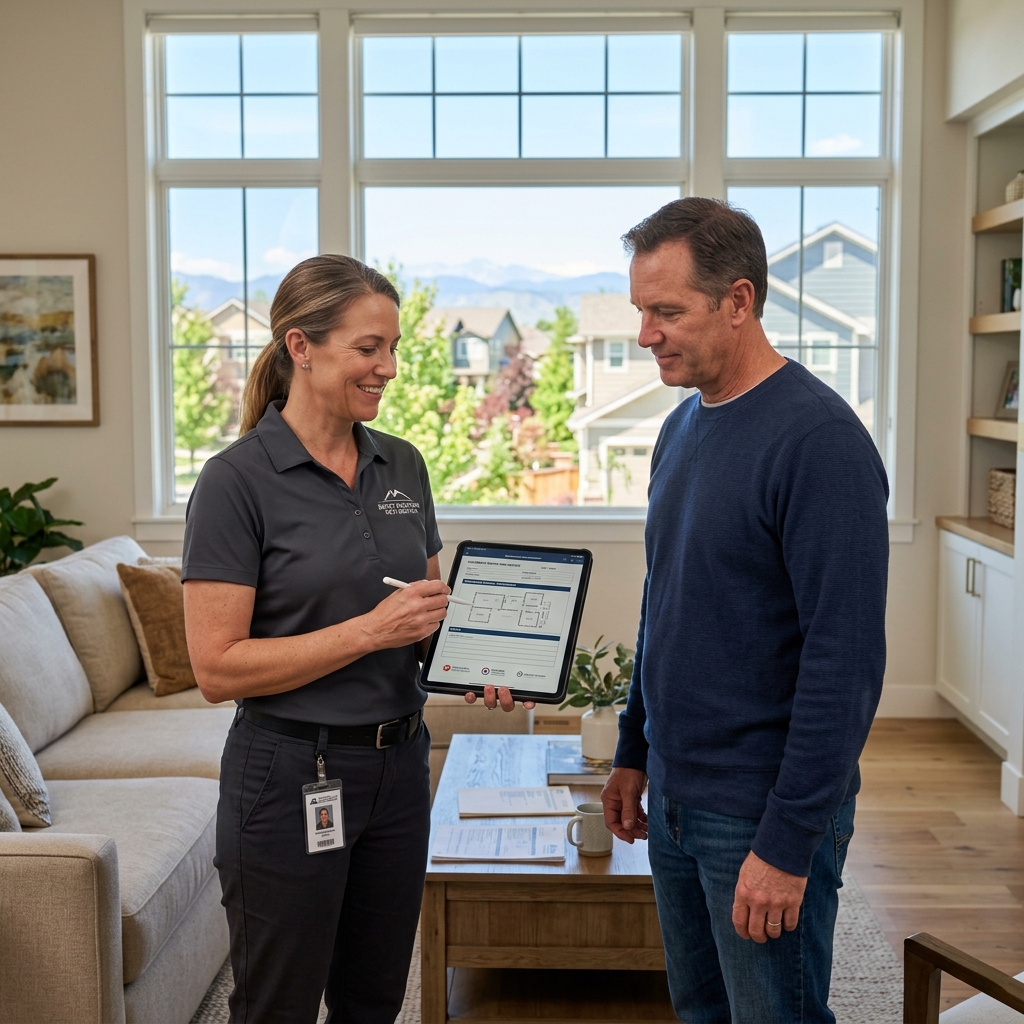
- Initial Assessment & Documentation: Technicians take detailed "before" photos and map out the contamination footprint before moving anything.
- Direct Communication: We often speak directly with the insurance adjuster to explain the scope of work, why certain porous materials must be removed, and why specialized odor control is necessary.
- Itemized Invoicing: We submit an industry-standard invoice (often using software like Xactimate, which insurers prefer) that details labor, equipment, PPE, and biohazard waste disposal fees.
In many cases, the property owner's only out-of-pocket expense is their policy deductible.