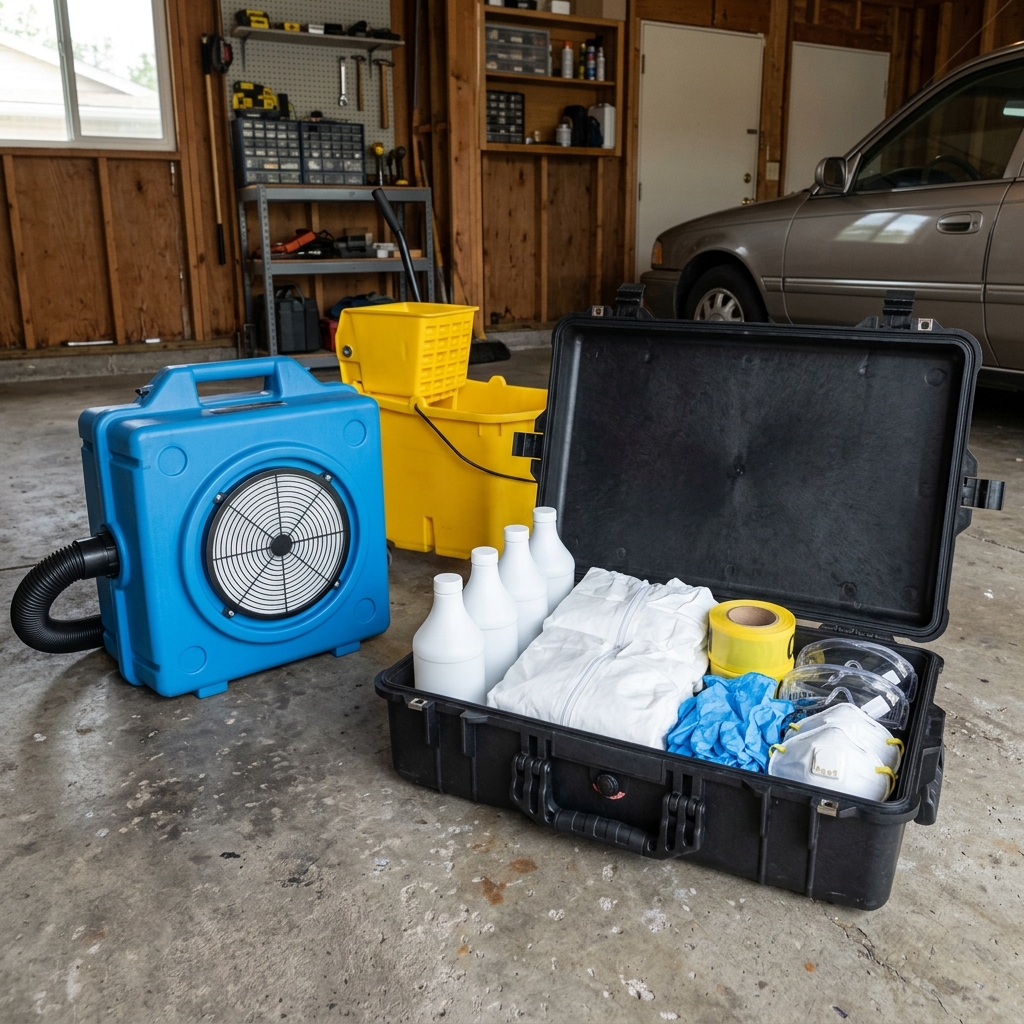
The Danger of the "Just Bleach It" Mentality
When Denver property owners experience a minor sewage backup, discover a hoarding situation in a rental unit, or deal with a minor trauma event, the initial instinct is often to grab household cleaners, a mop, and a bottle of bleach. However, standard janitorial cleaning and true biohazard remediation are entirely different processes.
Janitorial cleaning removes dirt and visible stains to improve appearance. Biohazard remediation neutralizes microscopic pathogens, removes contaminated structural materials, and eliminates the source of biological odors. Attempting a DIY cleanup of bodily fluids, animal waste, or raw sewage puts you at risk of contracting bloodborne pathogens (like Hepatitis B, C, and HIV) and often leaves hidden contamination that rots your home from the inside out.
DIY biohazard cleaning only addresses the visible surface, leaving dangerous pathogens and odor-causing bacteria trapped in porous materials like drywall, subfloors, and carpets. Professional remediation focuses on complete decontamination and structural safety.
Why Household Cleaners Fail Against Biohazards
Household cleaners are not designed for biological mass. If you pour bleach onto a blood spill on a carpet in your Aurora or Lakewood home, the bleach may lighten the stain on the surface fibers. However, the liquid blood has already passed through the carpet backing, soaked into the foam padding, and pooled on the wooden subfloor or concrete below.
The bleach never reaches the subfloor. Weeks later, as the organic matter decomposes, a strong odor will emerge. To fix the issue at that point, you still have to hire a local biohazard cleanup company in Denver, meaning your DIY attempt only delayed the inevitable and potentially caused secondary mold growth due to the added moisture.
The Proper Remediation Protocol
Professional biohazard technicians follow strict, multi-step protocols that DIY methods simply cannot replicate:
- Containment: Before any cleaning begins, professionals seal the affected area to prevent cross-contamination to other rooms or, in the case of downtown Denver apartments, other units.
- Surgical Removal: Instead of scrubbing contaminated porous materials, technicians surgically remove affected carpet, padding, drywall, and baseboards to access and treat the structural framing beneath.
- Hospital-Grade Disinfection: We use EPA-registered, broad-spectrum disinfectants specifically formulated for bloodborne pathogens, rather than off-the-shelf bleach.
- Legal Biohazard Disposal: Biological waste cannot be thrown in a residential trash can in Denver County. It must be packaged in regulated red biohazard bags, boxed, and transported to a licensed medical waste incinerator.
Never mix bleach with other household cleaners, especially ammonia-based products or drain cleaners, during a DIY cleanup attempt. This creates toxic chloramine gas which is highly dangerous, especially in enclosed basements or bathrooms.
The Hidden Liability for Landlords and Businesses
For commercial property owners and landlords in Metro Denver, DIY cleanup carries massive legal liability. If an employee is instructed to clean up blood in a Capitol Hill office or a maintenance worker is told to handle a homeless encampment cleanup on an Arvada property, the business is violating OSHA's Bloodborne Pathogen standard.
"Employers who ask untrained, unequipped staff to clean up biohazards are risking massive OSHA fines and workers' compensation lawsuits if an employee is exposed to a needle stick or pathogen."
By hiring a licensed remediation firm, businesses transfer that liability to professionals who carry the correct insurance, training, and Personal Protective Equipment (PPE).
When to Call the Professionals
A nosebleed on a tile floor can be safely cleaned with household supplies. But you should immediately call professional trauma cleanup specialists if the situation involves:
- Blood or bodily fluids larger than a small plate
- Any bodily fluids on porous materials (carpet, unsealed wood, mattresses)
- Unattended deaths or suicide cleanup
- Sewer backups affecting living areas
- Needles, sharps, or illicit drug paraphernalia