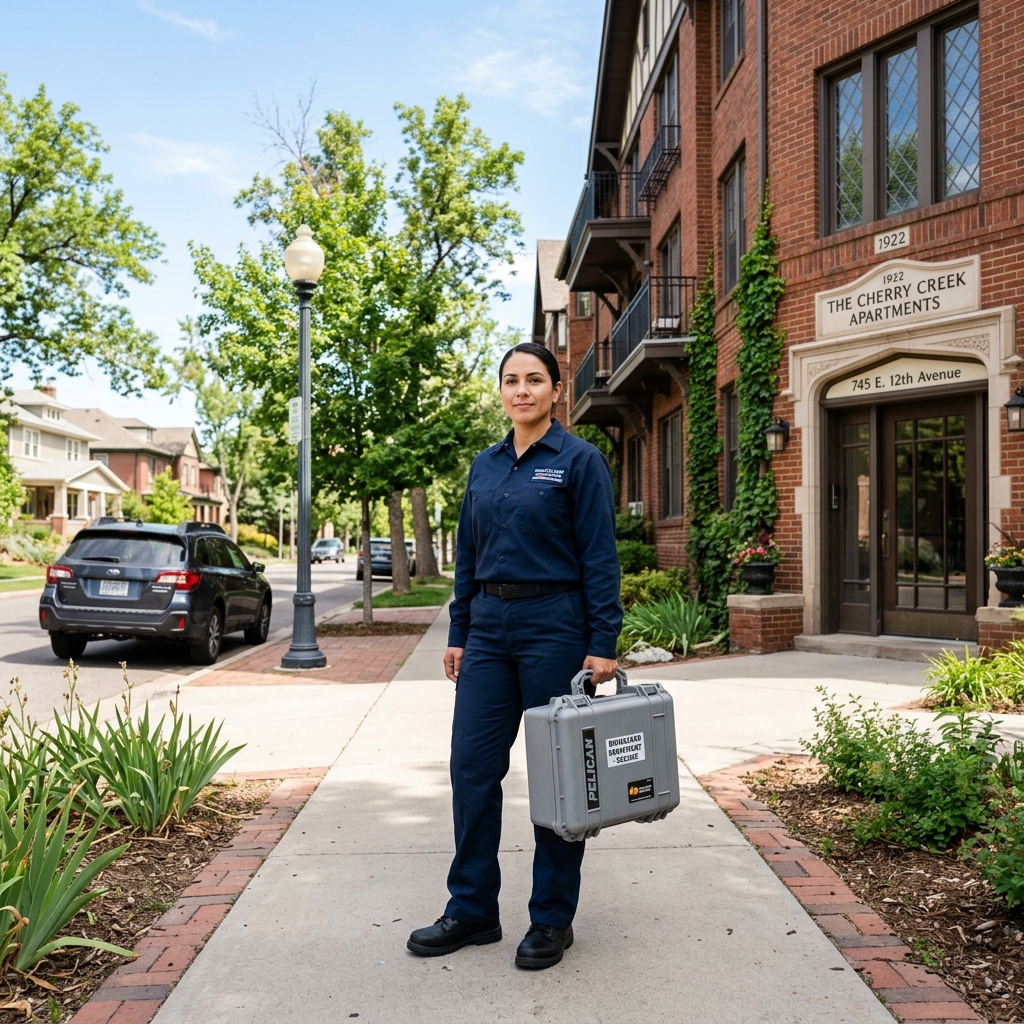
Why Denver's Architecture Complicates Remediation
Biohazard remediation is rarely a simple surface cleaning. In a city like Denver, where property types range from 19th-century Victorian homes in Capitol Hill to massive modern apartment complexes in RiNo, the structure itself often dictates the complexity of the cleanup. Older homes feature highly porous materials and unpredictable subfloor structures, while multi-unit buildings present immense logistical hurdles regarding privacy, containment, and shared airflow.
When an unattended death, severe trauma, or hoarding cleanup occurs in these environments, a standard cleaning approach will fail. The biological contamination must be treated with an understanding of how the building was constructed and how air and fluids move through it.
Older Denver homes have porous materials that absorb biological matter deeply, while multi-unit buildings risk cross-contamination through shared hallways and HVAC systems. Both require specialized containment and structural knowledge to clean safely.
The Hazards of Historic and Older Homes
Denver neighborhoods like Highlands, Baker, and Park Hill are known for their historic charm, but these older properties present distinct challenges for Denver biohazard remediation services.
- Original Hardwood and Plaster: Many older homes still feature original hardwood floors with minimal subfloor protection, or lath and plaster walls. These materials are highly porous. Blood and bodily fluids can seep between floorboards, contaminating the joists below, which requires surgical removal of the affected areas without destroying the historic integrity of the entire room.
- Outdated HVAC and Ductwork: Older forced-air systems can circulate airborne pathogens and decomposition odors throughout the home rapidly. The ductwork often needs extensive cleaning and sanitization.
- Complex Basements: Many century-old homes have basements with dirt crawlspaces or aging concrete that is incredibly difficult to sanitize after a sewage backup or biohazard leak from the main floor.
Navigating Multi-Unit Building Challenges
In contrast to single-family homes, downtown Denver condos, apartments, and hotels introduce the immediate risk of affecting neighboring units.
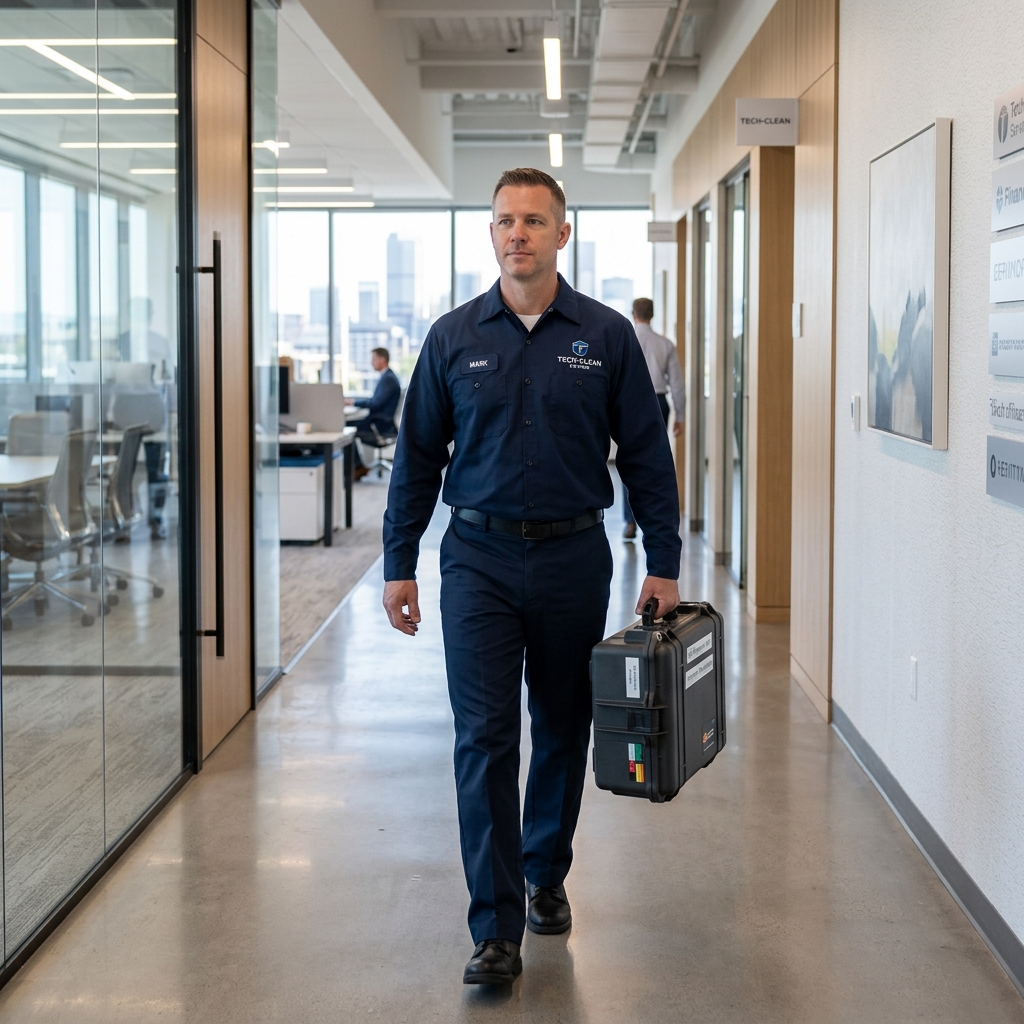
The primary concern is cross-contamination. If a blood cleanup or trauma remediation is required in a third-floor apartment, technicians must transport contaminated materials, biohazard waste boxes, and equipment through shared hallways, elevators, and lobbies. Without strict containment protocols, pathogens can be easily spread to common areas used by other tenants.
Property managers should require their chosen biohazard cleanup company to use discreet, unmarked vehicles and fully seal all biohazard waste containers before exiting the unit to maintain tenant privacy and building safety.
Odor Migration and Structural Isolation
Perhaps the most stressful issue in multi-unit buildings is odor migration. Decomposition odors or severe hoarding smells can travel through plumbing chases, shared ventilation shafts, and under baseboards, permeating adjacent apartments. Resolving this requires isolating the affected unit.
"In multi-tenant properties, you aren't just cleaning one apartment; you're protecting the entire building's air quality. If you don't establish negative air pressure immediately, the whole floor will know what happened."
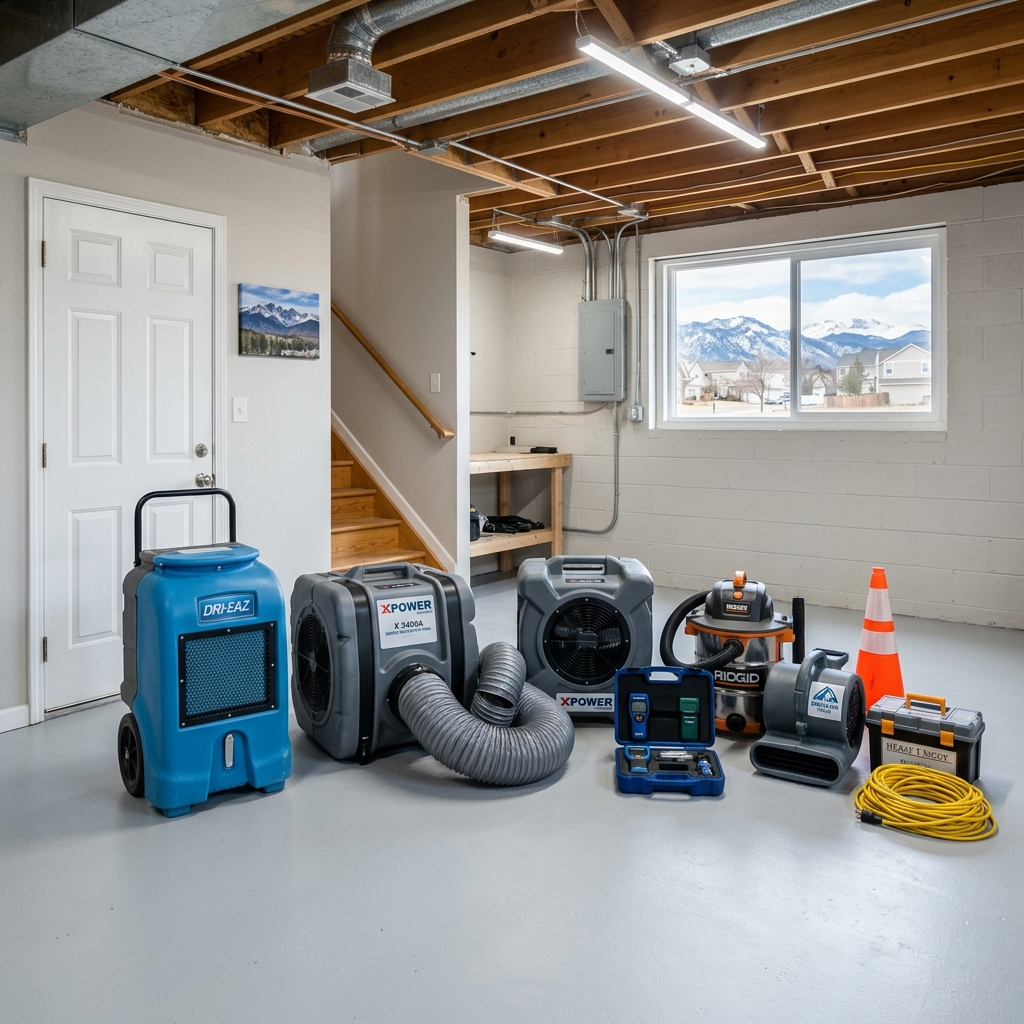
Professional technicians will seal all vents, doors, and windows in the affected unit and establish negative air pressure using industrial air scrubbers equipped with HEPA filters. This ensures that any airborne contaminants or odors are pulled into the filtration system rather than pushed out into the shared hallway. Following the physical cleanup of the trauma scene, advanced odor removal techniques like hydroxyl generation are deployed to neutralize lingering smells safely without evacuating the building.
The Importance of Professional Property Support
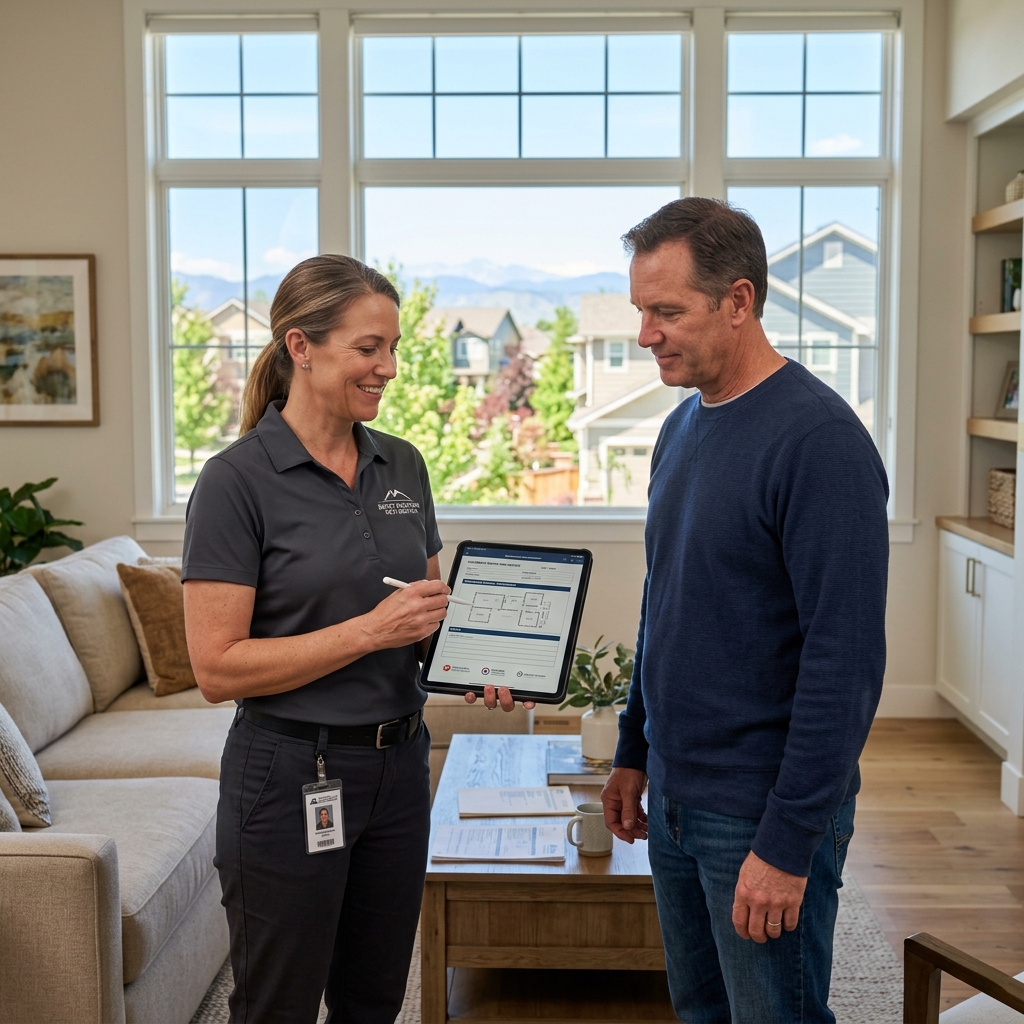
For landlords, HOA boards, and property managers in Metro Denver, liability is a constant concern. Attempting to have maintenance staff handle a biohazard or suicide cleanup not only puts employees at severe risk but also violates OSHA regulations regarding bloodborne pathogen exposure. Utilizing professional, licensed biohazard teams ensures the property is restored legally and safely, protecting both current and future occupants.