One Region, vastly Different Properties
Providing professional biohazard cleanup services in Denver is not a one-size-fits-all endeavor. The Colorado Front Range features a unique blend of dense historic urban cores and sprawling, modern suburban developments. How our team handles an unattended death cleanup in a 1920s Wash Park bungalow is entirely different from how we approach the same tragedy in a 2015-built Aurora subdivision.
Understanding these property differences is crucial because the architectural layout, neighborhood density, and community regulations directly dictate our cleanup strategy, equipment choices, and timeline.
Suburban Metro Denver cleanups often involve larger square footage, finished basements, and HOA regulations, while urban Denver cleanups focus heavily on navigating multi-unit building logistics, shared HVAC systems, and extreme discretion in high-density areas.
The Urban Core: Denver Proper
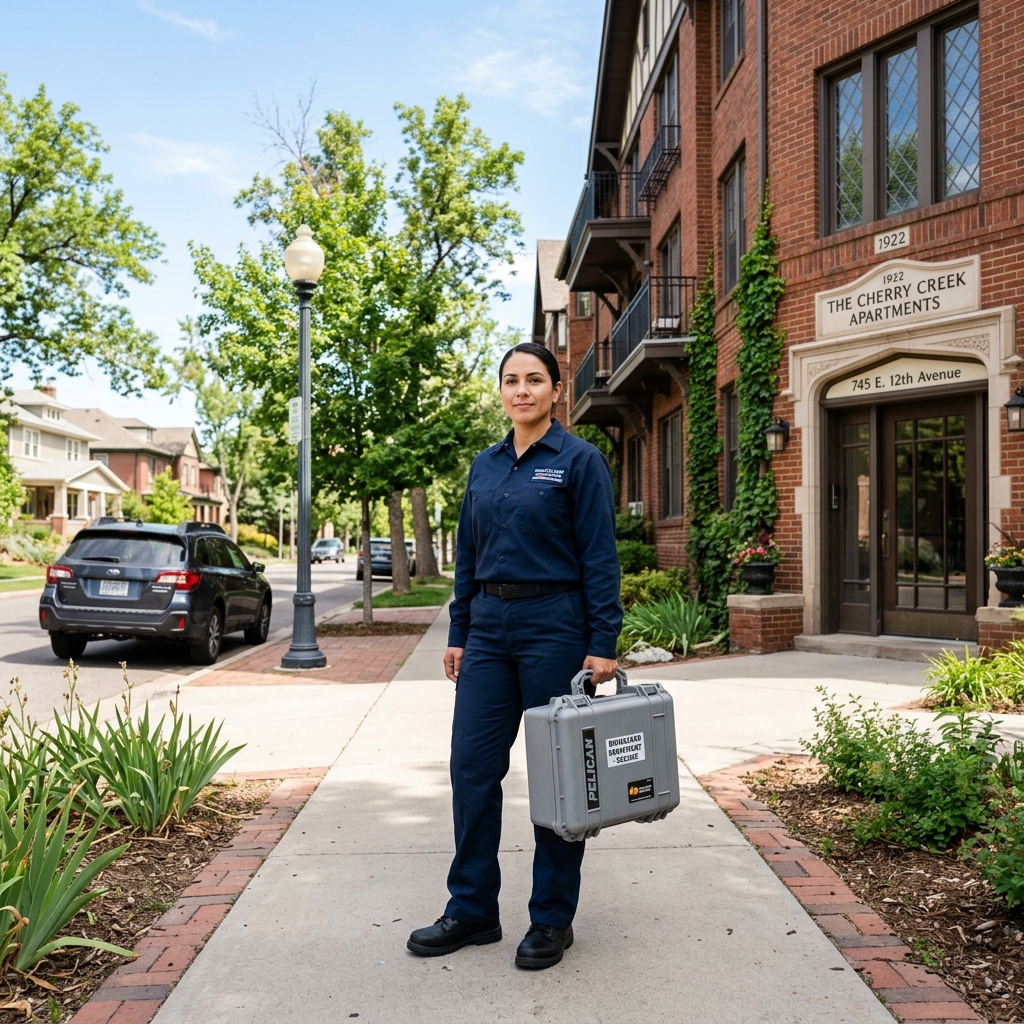
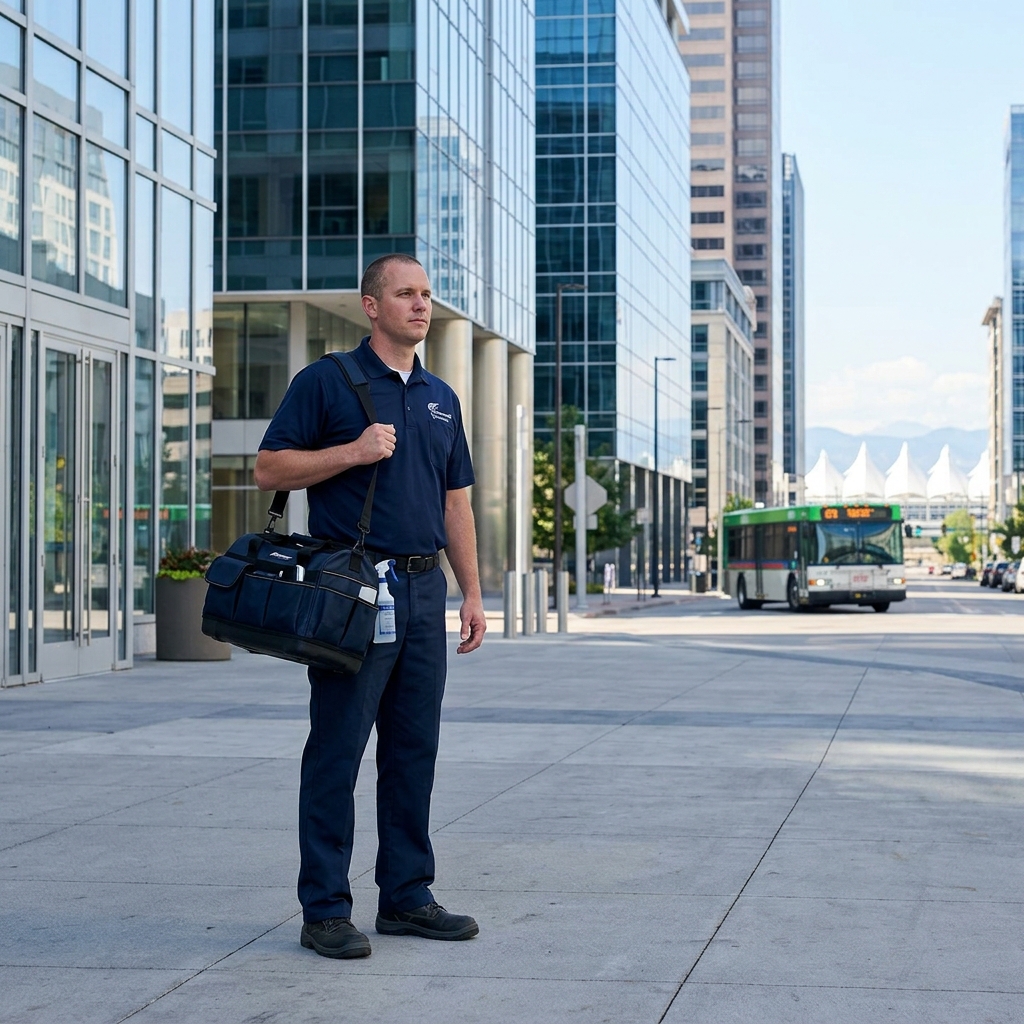
Properties in the heart of Denver County—such as Capitol Hill, LoDo, RiNo, and Five Points—present distinct urban challenges.
- High-Density Containment: In downtown condos and apartments, crime scene cleanup requires meticulous containment to prevent pathogens and odors from spreading to adjacent units. Negative air pressure systems are mandatory.
- Historic Porous Materials: Many central Denver homes feature original hardwood floors, lath and plaster walls, and poor subfloor insulation. These materials absorb blood and bodily fluids rapidly, often requiring more extensive structural removal than modern drywall.
- Commercial Overlap: Many central Denver locations feature mixed-use buildings. A biohazard incident in a residential loft may require coordination with the retail spaces below to ensure their air quality and business operations aren't impacted.
The Suburban Shift: Metro Denver Counties
As we move into Adams, Arapahoe, and Jefferson Counties—servicing cities like Lakewood, Arvada, Westminster, and Thornton—the architectural landscape changes dramatically.
Suburban homes typically have larger square footage, which means a hoarding cleanup or a severe biohazard event can spread across multiple rooms or levels. Finished basements are incredibly common in these areas. If a sewage backup occurs in a Centennial or Englewood basement, it often ruins expensive carpeting, drywall, and furniture, requiring large-scale extraction and heavy-duty dehumidification.
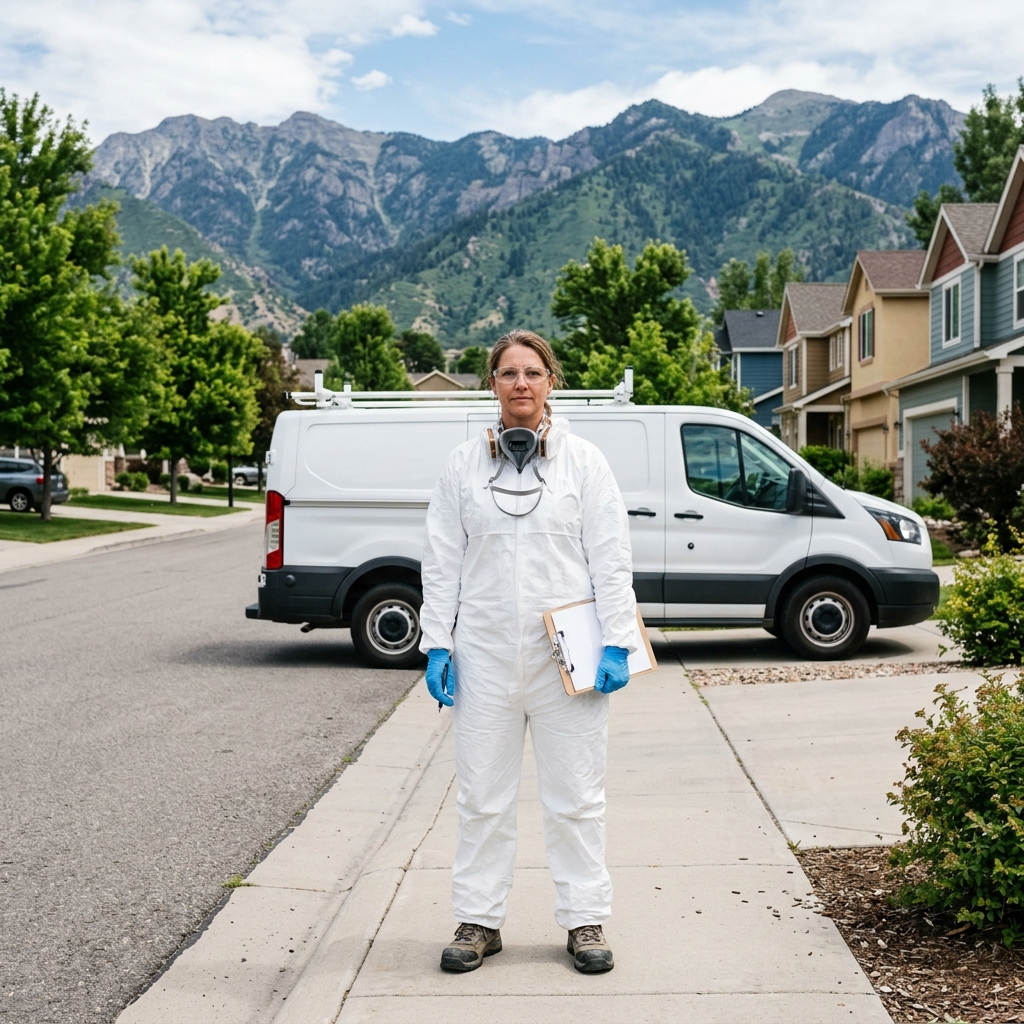
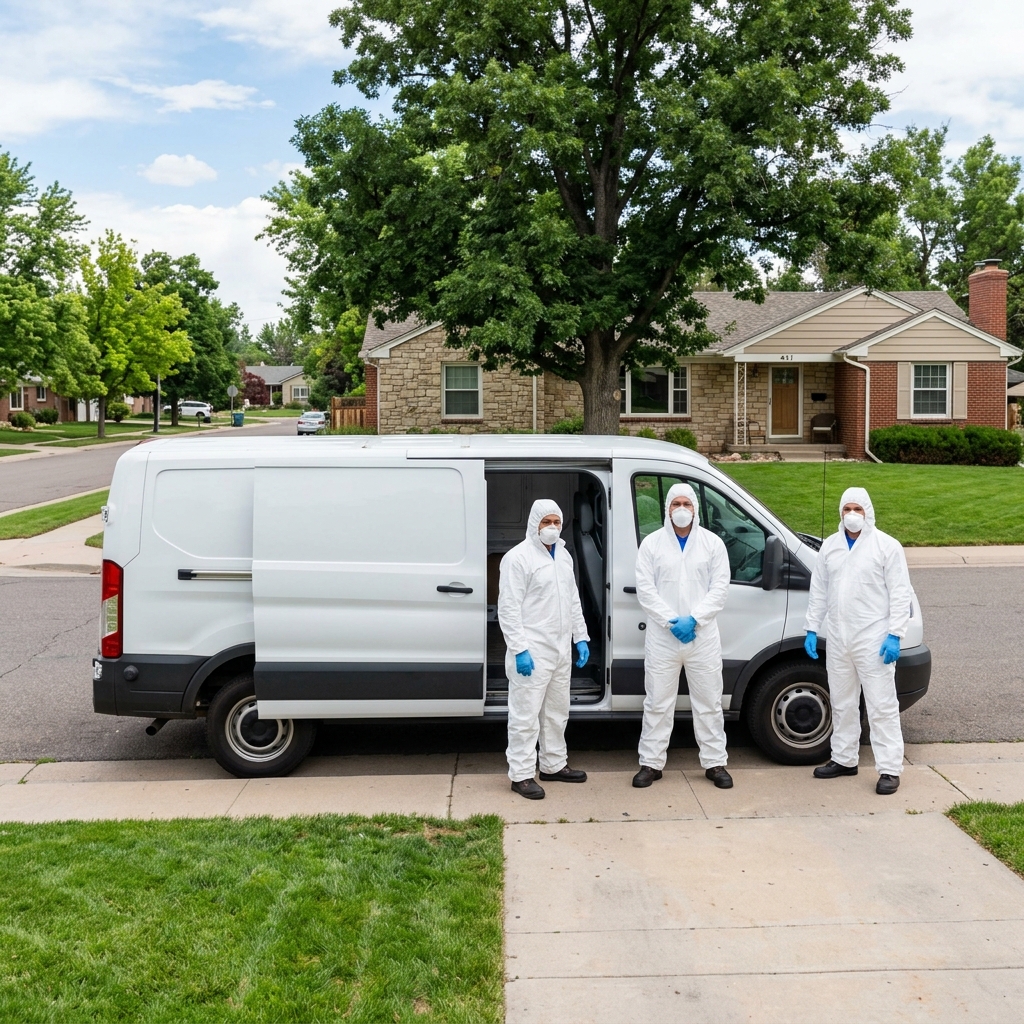
If you live in a Metro Denver HOA community, review your bylaws regarding emergency service vehicles. While we use unmarked vans for discretion, knowing your HOA's parking rules helps us stage our equipment without drawing unwanted attention from neighbors or board members.
HOA and Property Management Regulations
One of the biggest differences between urban and suburban cleanups is who is involved in the approval process. In Denver proper, we frequently work with commercial property managers and high-rise concierges to coordinate elevator access and after-hours work.
"In the suburbs, the challenge isn't usually parking our vans; it's navigating HOA regulations regarding dumpsters and waste removal while keeping the neighbors from asking questions during a sensitive family crisis."
In Littleton or Centennial HOA communities, placing a dumpster for a major hoarding or trauma cleanup may require special permits or board approval. A highly experienced remediation company manages these logistics quietly, ensuring the cleanup remains completely confidential.
Tailoring the Remediation Approach
Regardless of whether your property is a historic duplex in Baker or a sprawling new build in Thornton, the goal remains the same: complete, safe, and legally compliant decontamination. By understanding the specific building materials, HVAC layouts, and community dynamics of the different Denver Metro areas, our technicians can deploy the right equipment—from targeted hydroxyl generators for apartment odor removal to heavy-duty extraction units for suburban basements—ensuring your property is restored properly the first time.