What Does Biohazard Cleanup Actually Cost in Denver?
Biohazard remediation in Denver typically ranges from $1,500 to $25,000 or more, depending on the type of contamination, the size of the affected area, and the materials involved. A small blood cleanup in a Capitol Hill apartment might run $1,500 to $4,000, while a full unattended death remediation in a Lakewood basement can reach $8,000 to $15,000. Hoarding cleanups with significant biohazard contamination in larger homes across Arvada or Centennial can push past $20,000.
The reality is that no two biohazard situations are identical. Pricing depends entirely on what our team finds during the on-site assessment. We've cleaned up properties across Denver County, Adams County, and Jefferson County where the initial scope doubled once we opened up walls or pulled back carpet. That's why reputable biohazard remediation services in Denver never quote a flat rate over the phone without seeing the property first.
Biohazard cleanup in Denver costs between $1,500 and $25,000+ depending on contamination type, affected square footage, material removal needs, and whether specialized odor treatment is required. Always get an in-person assessment.
What Factors Drive the Cost Up or Down?
After years of handling biohazard remediation across Metro Denver, here are the six factors that have the biggest impact on your final bill:
- Type of contamination — Blood cleanup from a household accident is simpler than decomposition remediation after an unattended death. Unattended death cleanup requires specialized odor treatment, extensive material removal, and longer labor hours.
- Size of affected area — A single bathroom versus an entire basement. Contamination that spreads through HVAC systems in Park Hill or Washington Park homes with forced-air heating costs more to remediate because the ductwork must be addressed.
- Material removal — Porous materials like carpet, padding, drywall, and subfloor can't always be decontaminated. Removal and disposal adds cost. Older homes in Five Points, Baker, and Highlands often have materials that absorb contamination more deeply.
- Access difficulty — Downtown Denver apartments, LoDo lofts, and Cherry Creek condos with limited elevator access and narrow hallways add time and labor to every job.
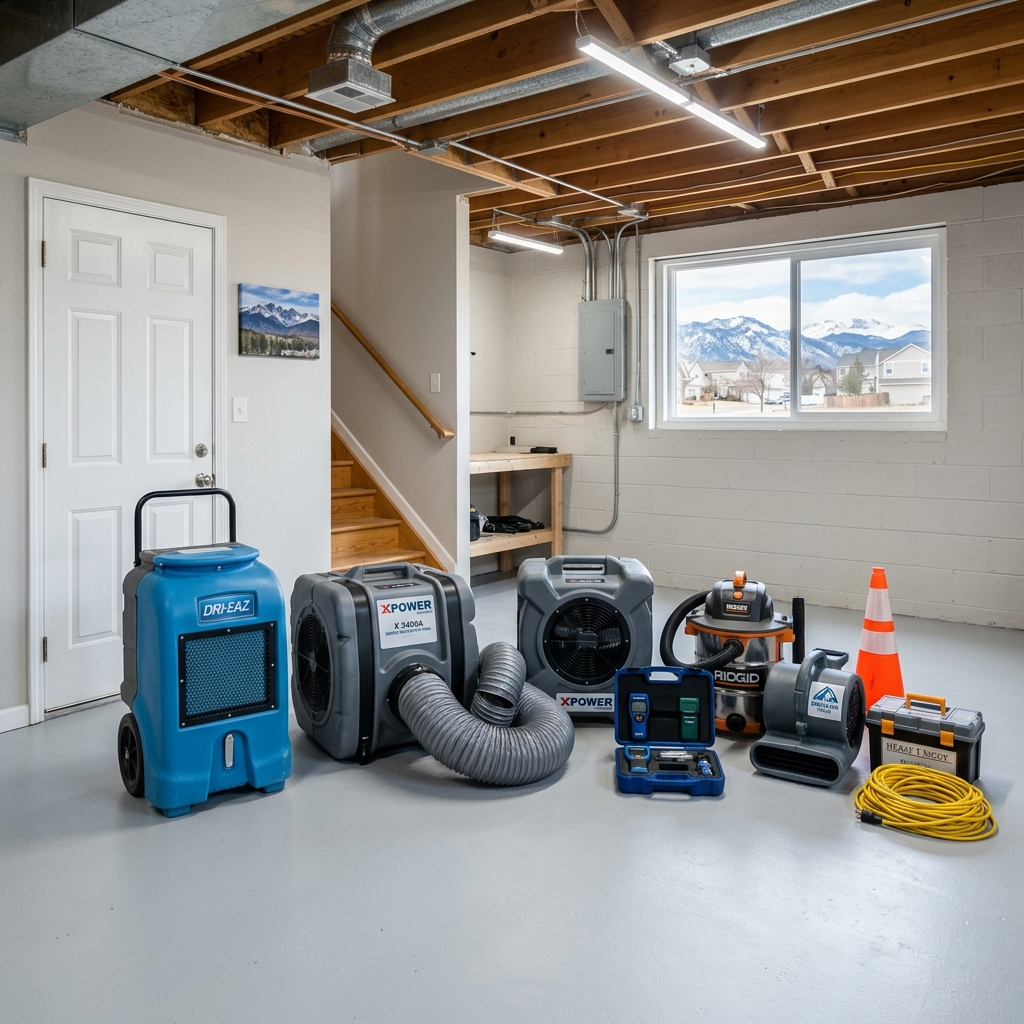
- Odor treatment — Severe biological odors from decomposition or sewage backup situations require hydroxyl generators, ozone machines, or thermal fogging — professional equipment that adds to the total.
- Disposal requirements — All biohazard waste must be packaged, transported, and disposed of at licensed facilities. Larger volumes increase disposal costs.
Denver-Specific Cost Factors
Denver's property stock creates unique pricing considerations. Homes in Sloan's Lake and RiNo with finished basements can have contamination migrate to lower levels through subflooring, which often isn't visible until demolition begins. Multi-unit buildings along Broadway or near RTD light rail stations require containment barriers and HVAC isolation to protect neighboring tenants — adding containment costs that single-family homes don't have. And Colorado's freeze-thaw cycles mean sewage backup emergencies spike in winter, when damaged plumbing bursts under pressure.
Before your on-site assessment, gather your homeowner's insurance policy number. Many Denver biohazard remediation situations are partially or fully covered, and having your information ready speeds up the claims process significantly.
Does Insurance Cover Biohazard Cleanup in Denver?
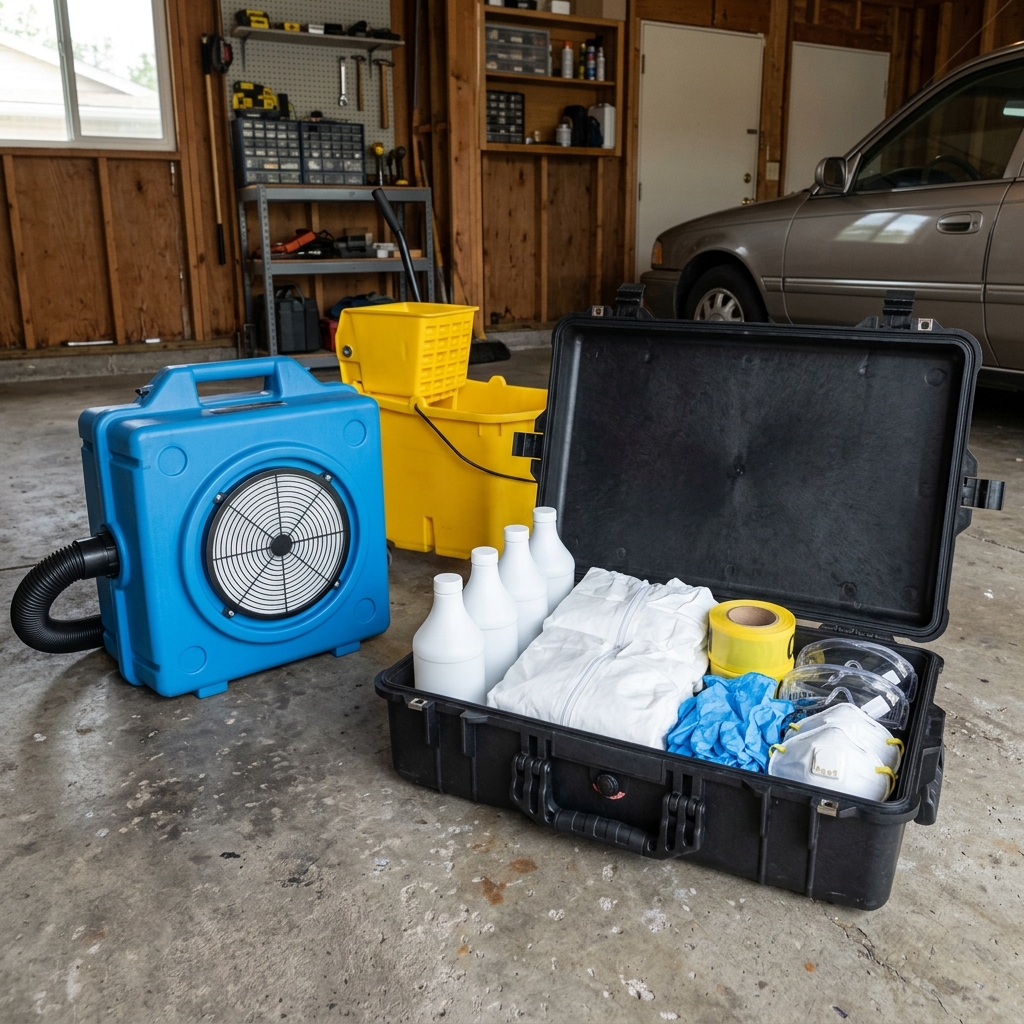
In many cases, yes. Homeowner insurance policies in Colorado often cover biohazard remediation when the event is sudden and accidental — like a trauma cleanup after an accident or a crime scene cleanup after law enforcement releases the property. Coverage varies by policy, but we regularly work with Denver-area insurers to provide the documentation they need: before and after photos, itemized work reports, and certified disposal manifests.
"The biggest mistake Denver property owners make is assuming their insurance won't cover biohazard cleanup. In our experience, the majority of policies provide at least partial coverage — you just need proper documentation."
Situations that are often covered include crime scene aftermath, unattended deaths, sewage backups, and trauma events. Hoarding cleanup and gradual contamination situations are less frequently covered but still worth submitting. The key is having a cleanup company that provides insurance-ready documentation from the start — which is something our team does on every single Denver job.
How to Get an Accurate Estimate
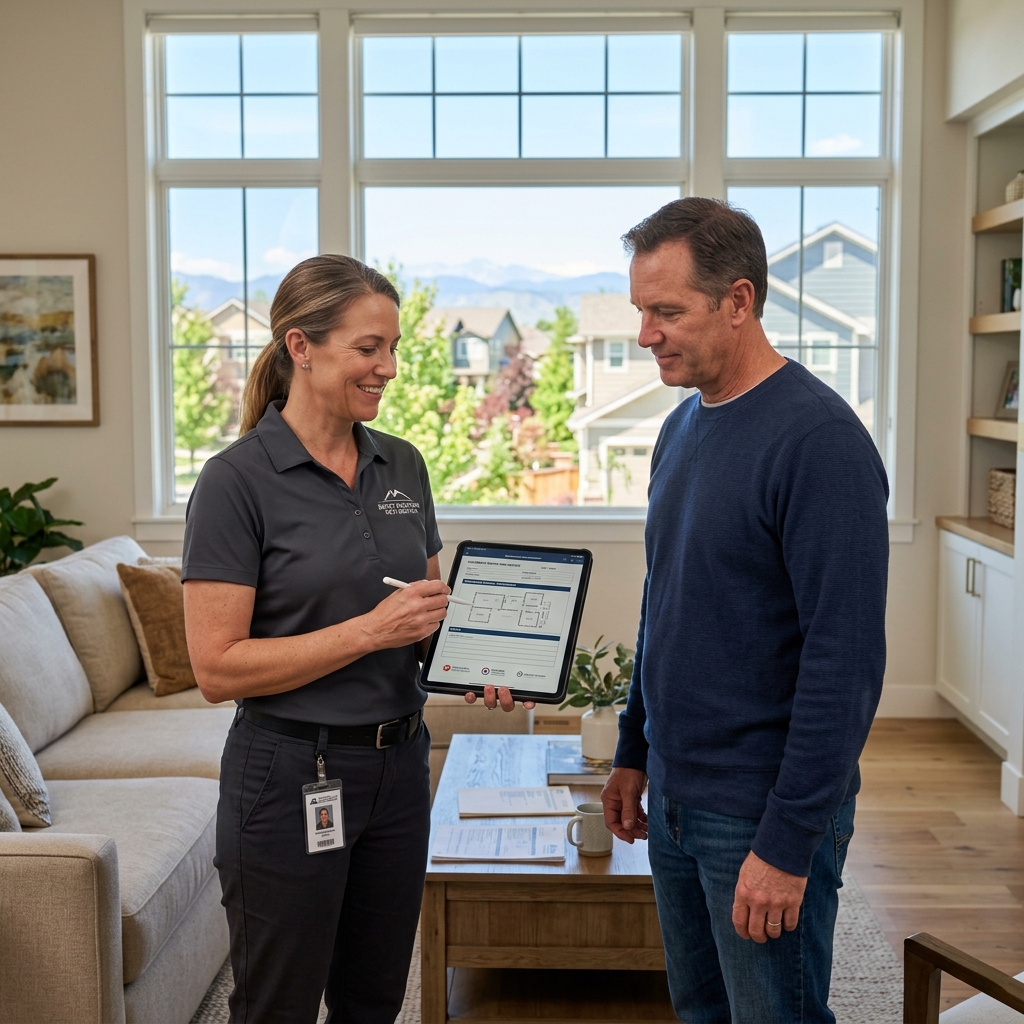
The only reliable way to price biohazard remediation in Denver is through an on-site assessment. Any company quoting a firm price over the phone without seeing the property is either padding the estimate or planning to upcharge once work begins. Our assessment process covers contamination mapping, material evaluation, HVAC connections, access logistics, and waste disposal volume — all before you receive a written estimate.
For Denver property managers handling rental units in Aurora, Westminster, or Thornton, we also coordinate tenant communication and scheduling to minimize disruption and vacancy time.