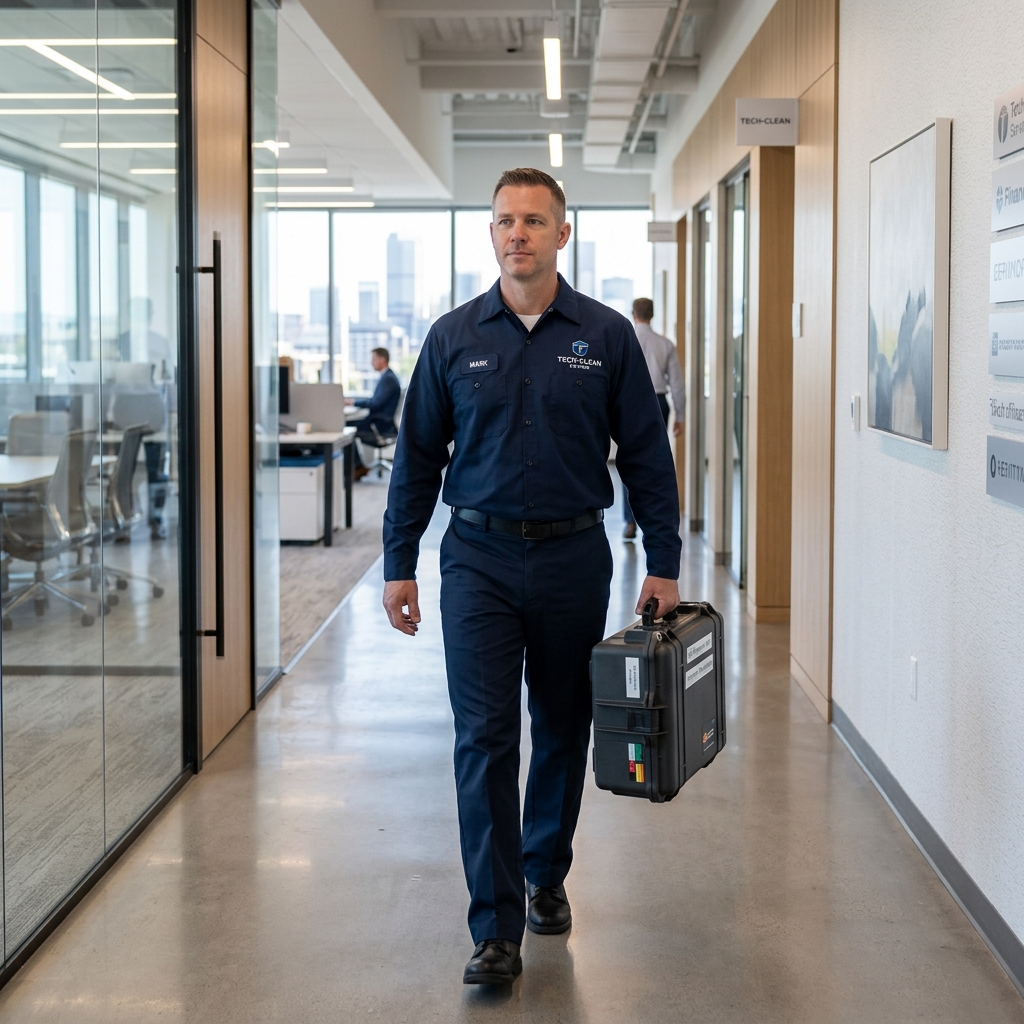
Protecting Your Employees and Your Brand
When a severe accident, workplace injury, or crime scene incident occurs at a commercial property in Metro Denver, the management team faces immediate, high-stakes decisions. Attempting to handle a blood cleanup internally is not just a health risk—it is a significant legal liability.
Commercial biohazard remediation requires a strict adherence to federal and state regulations. For businesses spanning from downtown Denver high-rises to industrial warehouses in Commerce City, having a rapid response plan in place ensures the safety of your staff, the continuity of your operations, and the protection of your public image.
Asking untrained employees to clean up bodily fluids violates OSHA's Bloodborne Pathogen Standard and exposes your business to massive fines and workers' compensation liabilities. Always contract a licensed biohazard remediation company.
The OSHA Bloodborne Pathogen Standard
The most critical best practice for any Denver business is understanding the Occupational Safety and Health Administration (OSHA) regulations regarding biological hazards. OSHA standard 29 CFR 1910.1030 dictates that only employees who have received specific, documented training in handling bloodborne pathogens, and who are provided with appropriate Personal Protective Equipment (PPE) and Hepatitis B vaccinations, are permitted to clean up blood or bodily fluids.
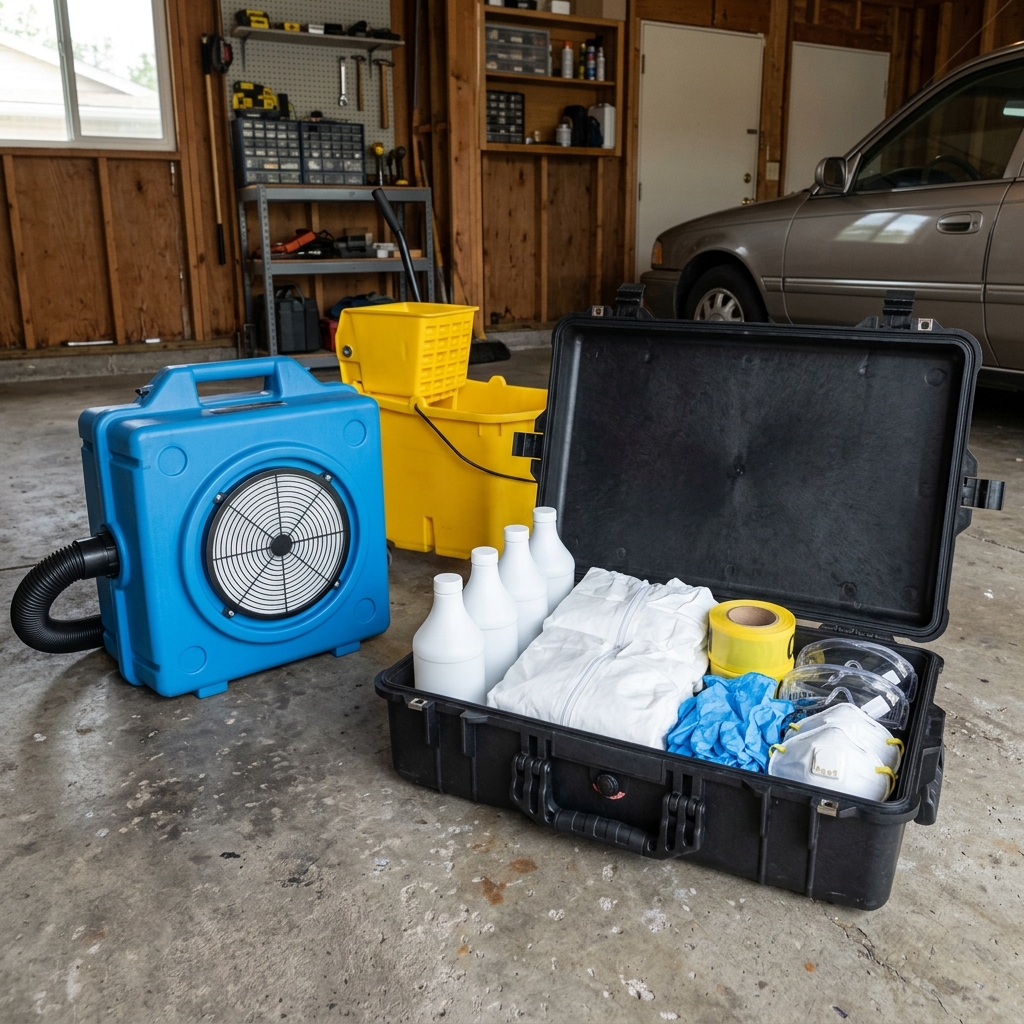
If an employee cuts themselves severely in an Arvada retail store, instructing the janitorial staff to mop it up with bleach is a direct violation of this standard. Professional trauma cleanup teams carry the required certifications, insurances, and specialized hospital-grade disinfectants to ensure compliance and complete sanitization.
Discretion and Business Continuity
In the commercial sector, optics matter. A biohazard incident, whether it's an unattended death in a hotel room or a homeless encampment cleanup in a retail parking lot, can distress customers and damage a brand's reputation if handled poorly.
- After-Hours Service: We frequently schedule commercial cleanups overnight to ensure the property is fully decontaminated and ready for business by morning.
- Unmarked Vehicles: Arriving in unmarked service vans prevents unnecessary questions from the public or media.
- Strict Containment: Using negative air pressure and physical barriers ensures that patrons in unaffected areas of the building are entirely isolated from the cleanup zone and any associated odor removal processes.
Incorporate the contact information of a 24/7 licensed biohazard remediation company into your company's Emergency Action Plan (EAP). Pre-vetting a vendor prevents scrambling during a crisis.
Managing Commercial Sewage Backups
Not all biohazards involve trauma. A sewage backup in a commercial facility—such as a restaurant in LoDo or an office park in Lakewood—poses an immediate Category 3 water hazard. Raw sewage contains viruses, bacteria, and parasites. Commercial best practices require the immediate closure of the affected area, followed by professional extraction, the surgical removal of contaminated porous materials (like drywall and carpeting), and heavy-duty structural drying to prevent secondary mold growth.
"A fast response to a commercial sewage backup doesn't just save drywall; it saves your business from extended closures and health department violations."
Insurance and Documentation
Most commercial property and general liability insurance policies in Colorado cover the cost of sudden and accidental biohazard remediation. However, commercial claims require meticulous documentation. A reputable cleanup company will provide detailed, itemized invoices, comprehensive before-and-after photographs, and a certificate of proper biohazardous waste disposal, ensuring your claims process is smooth and your business is fully protected from future liability.