The Hidden Impact of Biological Contamination
When a biohazard event occurs, the visible mess is often just the beginning. In Denver properties, whether a historic home in Washington Park or a modern apartment in RiNo, biological contamination like sewage backups, blood, and decomposition fluids deeply affect building materials. These fluids carry harmful pathogens, bacteria, and viruses that seep into porous surfaces—carpet, padding, drywall, and subflooring—creating a hazardous environment and triggering persistent, deeply embedded odors that standard cleaning products cannot remove.
The consequences for property owners can be severe, ranging from immediate health risks to long-term structural damage and loss of property value if not addressed by local biohazard remediation services.
Sewage and biological contamination spread rapidly into porous building materials, creating hidden health hazards and persistent odors. Prompt, professional extraction and specialized odor treatment are essential to restore safety and protect property value in Denver homes.
Why Denver Properties Face Unique Cleanup Challenges
Denver's climate, geography, and diverse property types introduce specific complications for biohazard and sewage cleanup.
- Aging Infrastructure: Older neighborhoods like Baker, Park Hill, and Highlands feature homes with 60 to 100-year-old plumbing. Clay and cast iron sewer lines are highly susceptible to root intrusion and deterioration, leading to frequent basement sewage backups.
- Freeze-Thaw Cycles: Colorado's extreme temperature shifts cause soil to expand and contract, putting immense pressure on underground pipes. This leads to cracked lines and sudden raw sewage emergencies, especially during winter and early spring thaws.
- Finished Basements: Many Denver area homes, especially in suburbs like Centennial and Aurora, utilize finished basements. A biohazard event or sewage backup here destroys expensive flooring, drywall, and furniture, while subflooring traps moisture and bacteria.
The Problem of Odor Migration in Multi-Unit Buildings
In downtown Denver, Capitol Hill, and LoDo, multi-unit buildings present a serious challenge: odor migration. Odor removal is complicated in apartments and condos because biological odors—whether from an unattended death, severe hoarding, or sewage—travel quickly through shared HVAC systems, wall cavities, and plumbing chases. What starts as a localized issue in one unit can rapidly impact neighboring tenants, leading to complaints, lease breaks, and liability concerns for property managers.
If you experience a sewage backup or severe biological odor in a multi-unit building, immediately shut down the HVAC system in the affected area to prevent the contamination and smell from spreading to other units.
The True Cost of Inadequate Remediation
Attempting to clean up sewage or bodily fluids with bleach and a mop is a recipe for disaster. While the surface might look clean, the contamination remains trapped beneath.
"We frequently get calls from Denver landlords who tried to clean up a sewage backup themselves, only to face a massive mold outbreak and overwhelming odors three weeks later. The secondary damage often costs more to fix than hiring professionals in the first place."
Inadequate cleanup leads to several long-term issues:
- Pathogen Exposure: Raw sewage (black water) contains hepatitis, E. coli, and other serious pathogens. Blood and bodily fluids can carry bloodborne pathogens.
- Secondary Mold Growth: Trapped moisture from sewage or cleaning attempts creates the perfect environment for mold to thrive within 48 to 72 hours.
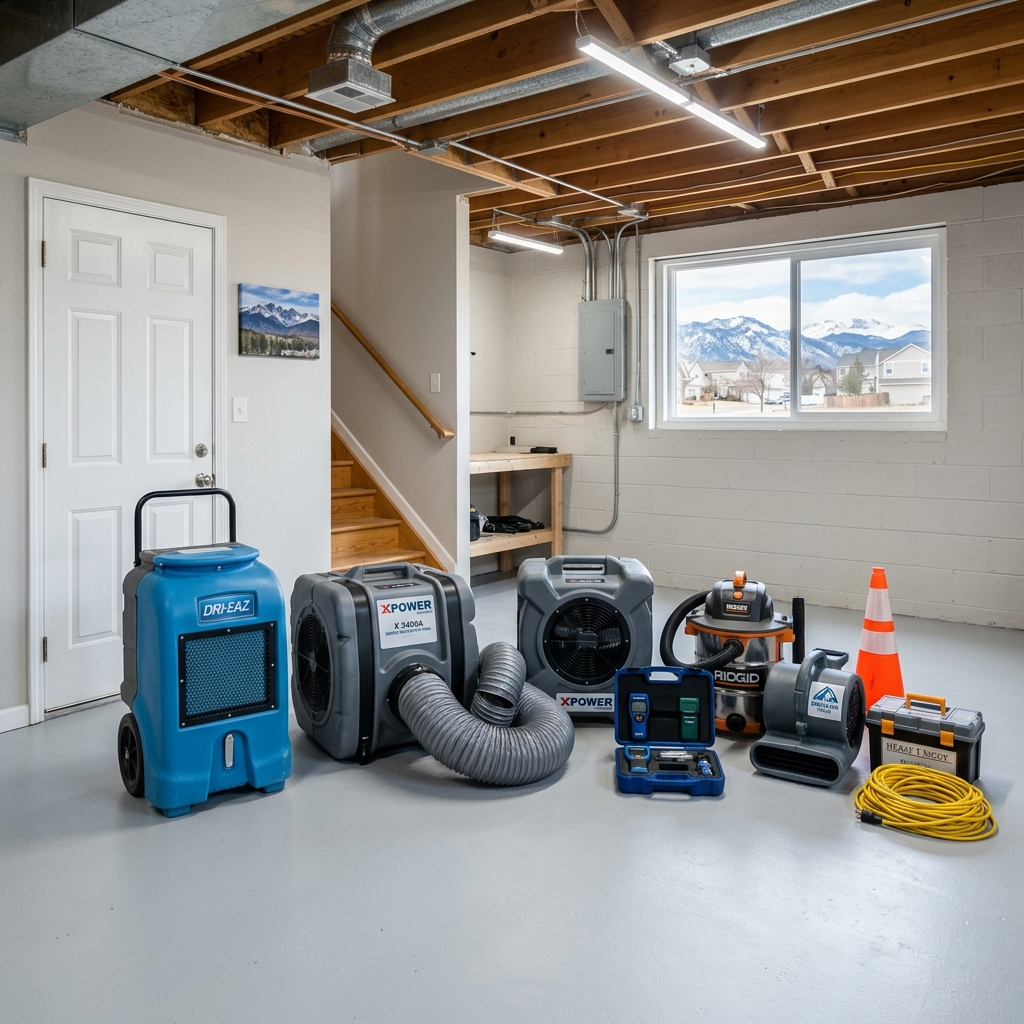
- Embedded Odors: As organic matter decomposes inside wall cavities or under flooring, the resulting odors become permanent until the source material is physically removed and treated with professional equipment like hydroxyl generators.
Whether you're dealing with a trauma scene or an overwhelmed sewer line, professional trusted cleanup support for Denver properties ensures the area is fully decontaminated, deodorized, and restored to a safe, livable condition.